What I’m reading: May 2021

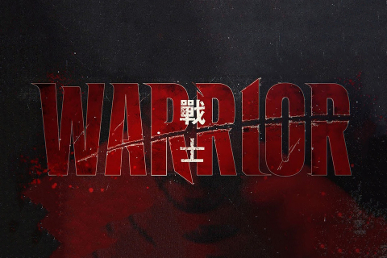
Image: Title screen for TV series Warrior, owned by Cinemax

Some bite-sized thoughts and reflections on the items I’ve been reading, listening to, or watching this month.

Also: Did you read, watch, listen to, play something this month that you particularly enjoyed? Feel free to share in the comments! I’m always looking for recommendations.

Note: The following post contains discussion of and possible spoilers for Crime Show (podcast), Warrior (TV series on HBO Max), and Lego Masters (TV series on Fox/Hulu). 

Read More »

Follow-up to “annotated bibliography as artifact” and reflection on spring teaching

So the information literacy course I teach is an eight-week course which means that, since there’s only one section per semester, I usually have a choice between teaching in the first half of the semester or teaching in the second half of the semester. I generally choose the first half for a couple of reasons. First, it’s easier for students to remember that they signed up for an eight-week course if it starts at the same time as all of their other courses. Second, students who take the course in the first half of the semester tend to be more engaged than those who take it in the second half. This is particularly true when it comes to the second half of the spring semester when students are basically burned out on the whole school year and just want to get to summer and/or graduation. Students are usually so checked out in the second half of spring that I tend to avoid teaching at that time at all costs.

This year, I didn’t have a choice. I was still on sabbatical for the first half of the spring so I had to teach the second half. I wasn’t looking forward to it, especially with everything I was hearing about the extra difficulties students were (understandably) experiencing related to the pandemic and remote instruction. I was open to being pleasantly surprised but I was not expecting great things.

So I’m pleased to report that this was probably one of the better classes of students I’ve had. They definitely did lose steam toward the end (honestly, same) but overall the students in this class were much more engaged than I was expecting. I think this can be attributed to a couple of factors: the first is that students are now more used to taking online courses than they were before and so I didn’t have to do as much work to get them to treat the course as “real” course even though it didn’t meet in person and second I think the new material I created based on my ideas about the contextual nature of research helped to spark some of the students’ curiosity.

Read More »

Dear AWP: Research is not just for nonfiction

I’ve been spending some time lately taking a closer look at the AWP’s various guidelines for undergraduate and MFA creative writing programs. You’d think that this would have been a step I would have taken much earlier in my research into creative writing pedagogy. And it was, sort of. But now that I know a little bit more about what I’m looking for in these documents, it seemed worth taking the time to take another look.

As mentioned in a previous post, the undergraduate guidelines don’t have much to say about research or even writing. They make it pretty clear that an undergraduate creative writing program is more about learning to appreciate literature from a writer’s perspective than it is about being a writer. Which, as a former undergraduate creative writing major, kind of makes me want to gnash my teeth but whatever.

The MFA guidelines (which are called “Hallmarks,” I guess) are a little more interesting, though. Because they do mention research. Sort of. In a section on the value of cross-genre study, they specifically say: “fiction writers often benefit from learning the research techniques of nonfiction writers.” And later, they mention the value of the campus library…as a place to study works of great literature. Which, as a current librarian, kind of makes me want to gnash my teeth a little but, again. Whatever.

That quote about nonfiction research techniques fascinates me, though. On the one hand, it’s awesome that this document acknowledges the fact that fiction writers do, in fact, sometimes do research as part of their creative work. On the other, it drives me kind of insane that they’re treating research as something that belongs strictly in the realm of nonfiction. That fiction writers (and, I assume, poets) who do research are just borrowing a technique or creative practice from another genre that is somehow the rightful owner of that technique or practice.

Like, what?

Read More »