Is researching for inspiration research?

In my investigation into the role of research in creative writing, I’m stumbled across an interesting wrinkle. Writers don’t talk about the research they might do as part of their work as much as you might think (at least in the sources I’ve read), but when they do, they often talk more about research as a way to cultivate curiosity and inspiration rather than research that is used to fill a gap in their knowledge. When it comes to conducting research for inspiration, their advice is usually to read widely and/or deeply and seek out experience that may be useful for a story or poem idea later.

I think cultivating curiosity is a necessary part of any creative endeavor but I’m having trouble deciding if this type of research counts as research.

Normally, I try not to be a snob about what counts as research and what doesn’t. There may have been a time when “real” research involved the use of the library and the citation of sources, but that time has passed. Now everyone with access to an internet connection conducts research in one form or another on a daily, if not hourly basis.

Not everyone will agree that the average Google search counts as research. Some might prefer to call it “information-seeking” which, among scholars, tends to be the preferred term for any type of research that happens to not be academic, scholarly, or scientific in nature. Personally, I think having two different terms for what’s essentially the same thing is kind of elitist. I prefer to think of research as any formal or informal process that’s undertaken to fill a gap in knowledge, build on existing knowledge, or create new knowledge.

That’s why I’m a bit stuck when it comes to whether cultivating curiosity/searching for inspiration counts as research.
Read More »

What I’m reading: October 2021

Some bite-sized thoughts and reflections on the items I’ve been reading, listening to, or watching this month. 
 
Also: Did you read, watch, listen to, play something this month that you particularly enjoyed? Feel free to share in the comments! I’m always looking for recommendations.
 
Please note: The following contains spoilers for Squid Game, 3%, The Circle, Ordinary Joe, Clickbait, and some movies Adrian Grenier was in back in the late 1990s/early 2000s. 


Read More »

What I’m reading: August 2021

Some bite-sized thoughts and reflections on the items I’ve been reading, listening to, or watching this month. 

Also: Did you read, watch, listen to, play something this month that you particularly enjoyed? Feel free to share in the comments! I’m always looking for recommendations.

Note: The following post contains spoilers for Dr. Death (the podcast and probably the TV series), Glow Up, and Humans. Also I talk about The Most Amazing Vacation Rentals on Netflix in some detail. I don’t think it’s possible to spoil a travel reality show but I’m mentioning it just in case. Also: no reality show catch phrases (e.g. “What a life!,” “Ding dong!” or “Bring on the models!” were harmed in the writing of this blog post.)

Read More »

If we taught students what they expected to learn…

So I’ve been spending some time lately trying to write up the findings of my study on creative writing pedagogy. In making a case for why it’s important for creative writing students to learn about creative research, I started talking a lot about the mismatch between students expectations about what they will learn as part of a creative writing program and what the actual learning goals of creative writing programs are, at least at the undergraduate level. Evidence suggests that students come to these programs expecting to learn how to hone their talents and identities as writers. But according to the AWP’s guidelines, what these programs are actually meant to teach is critical reading. Basically, an undergraduate creative writing major is learning to “read like a writer” in order to better appreciate literature “from the inside.”

As a former creative writing student, when I first read this, it felt like a bit of a bait and switch to me. Like, what do you mean all that learning I did was about becoming a better reader instead of a better writer? What do you mean the AWP considers it basically a waste of time to teach undergraduates about actual writing because, statistically speaking, so few of them possess the talent or persistence necessary to actually become professional writers? I want my money back!

Read More »

Gone fishing: Summer edition

I’m on vacation this week so I won’t be posting any new content, but below is a list of some favorite posts from this year so far in case you’d like to check out any you might have missed. Enjoy and see you in a few weeks!

Guest post: Jesi Buell on how to use research in creative writing

Dear students: Citing your sources incorrectly is not plagiarism

Research in fiction writing: What problem is this investigation trying to solve (for librarians)?

Reference desk interactions: Helping “library users” versus helping “information creators”

Research in fiction writing: What problems is this investigation trying to solve (for writers)?

Reflecting on Being a (Former) First Generation Student

My Online Teaching Persona is a Major Introvert

Why I Start My Freshman Seminar with a Game Called “Category Die”

Dear AWP: Research is Not Just for Nonfiction

In Search of Borders Between Research Contexts

The True Bummer of Teaching

That Time I Tried Using a Tom Lehrer Song to Teach Plagiarism


Basics of Creative Research: A totally random Zoom event

Hey everybody,

On July 20, I’ll be giving a short talk on the basics of creative research, based on the findings of some of the studies I’ve talked about here, to a creative writing Meetup group I started a few weeks ago. I decided to post it here too in case there is any interest. The event will take place on Zoom at 7 p.m. Eastern. The information in this talk will be of interest to both creative writers and librarians looking to learn more about creative research.

If you’re interested, click the link to register below and I’ll send you the Zoom link the day of the event. The talk is free and you do not need to join the Meetup group to participate.

Basics of Creative Research

Date: Tuesday, July 20
Time: 7 p.m. Eastern
Location: Zoom (link will be sent the day of the event)
Description: A talk about some research basics based on a study of popular and academic writing books as well as published author interviews. What types of research do published authors talk about most? What recommendations do they give for going about the research process? What advice do they have for using research as part of a creative work? The talk will last about 30 minutes with time afterward for Q&A.

What I’m reading: May 2021

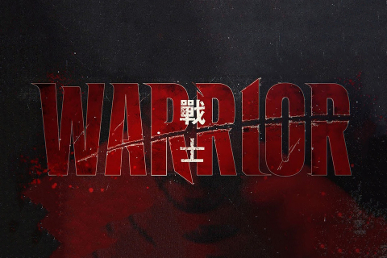
Image: Title screen for TV series Warrior, owned by Cinemax

Some bite-sized thoughts and reflections on the items I’ve been reading, listening to, or watching this month.

Also: Did you read, watch, listen to, play something this month that you particularly enjoyed? Feel free to share in the comments! I’m always looking for recommendations.

Note: The following post contains discussion of and possible spoilers for Crime Show (podcast), Warrior (TV series on HBO Max), and Lego Masters (TV series on Fox/Hulu). 

Read More »

Dear AWP: Research is not just for nonfiction

I’ve been spending some time lately taking a closer look at the AWP’s various guidelines for undergraduate and MFA creative writing programs. You’d think that this would have been a step I would have taken much earlier in my research into creative writing pedagogy. And it was, sort of. But now that I know a little bit more about what I’m looking for in these documents, it seemed worth taking the time to take another look.

As mentioned in a previous post, the undergraduate guidelines don’t have much to say about research or even writing. They make it pretty clear that an undergraduate creative writing program is more about learning to appreciate literature from a writer’s perspective than it is about being a writer. Which, as a former undergraduate creative writing major, kind of makes me want to gnash my teeth but whatever.

The MFA guidelines (which are called “Hallmarks,” I guess) are a little more interesting, though. Because they do mention research. Sort of. In a section on the value of cross-genre study, they specifically say: “fiction writers often benefit from learning the research techniques of nonfiction writers.” And later, they mention the value of the campus library…as a place to study works of great literature. Which, as a current librarian, kind of makes me want to gnash my teeth a little but, again. Whatever.

That quote about nonfiction research techniques fascinates me, though. On the one hand, it’s awesome that this document acknowledges the fact that fiction writers do, in fact, sometimes do research as part of their creative work. On the other, it drives me kind of insane that they’re treating research as something that belongs strictly in the realm of nonfiction. That fiction writers (and, I assume, poets) who do research are just borrowing a technique or creative practice from another genre that is somehow the rightful owner of that technique or practice.

Like, what?

Read More »